 10 February 2026
From Farm to Market: Reducing Post-Harvest Losses in Agriculture
Post-harvest losses remain one of the most significant challenges facing agriculture today. Across many agricultural value chains, a substantial portion of harvested crops never reaches the market due to poor handling, inadequate storage, transportation challenges, and limited access to buyers. Reducing post-harvest losses is essential not only for improving farmer incomes but also for strengthening food security and building more efficient food systems.
Understanding Post-Harvest Losses
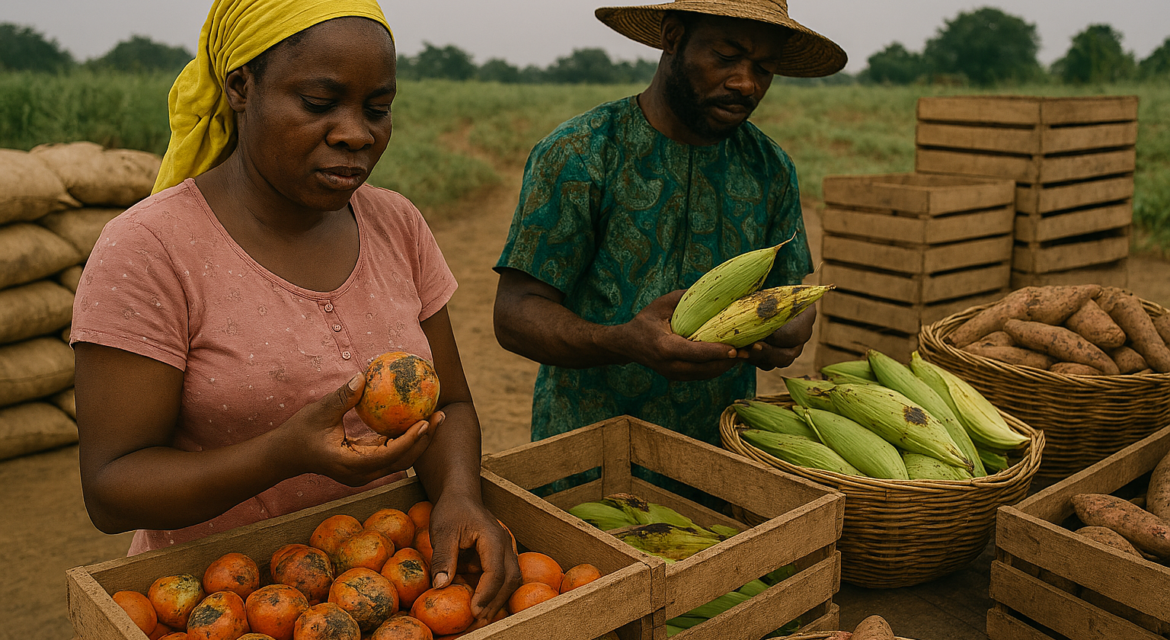
Post-harvest losses occur at various stages between harvesting and final consumption. These losses may result from improper harvesting techniques, exposure to pests and moisture, inadequate storage facilities, or delays in accessing markets. For smallholder farmers, these challenges often translate into reduced earnings despite significant effort and investment during production.
In many cases, farmers are forced to sell quickly after harvest at lower prices due to limited storage options, further reducing profitability and discouraging future investment in farming.
Why Reducing Post-Harvest Losses Matters
Addressing post-harvest losses has far-reaching benefits:
-
Improved farmer income: More produce reaches the market in sellable condition.
-
Enhanced food security: Reduced losses mean more food is available for consumption.
-
Efficient resource use: Less waste of water, labor, and agricultural inputs used during production.
-
Stronger agricultural value chains: Better coordination between production, storage, and market access.
Reducing losses is often one of the fastest ways to increase agricultural productivity without expanding farmland.
Key Causes of Post-Harvest Losses
Several factors contribute to losses along the value chain:
-
Poor harvesting and handling practices
-
Lack of proper drying and storage facilities
-
Pest infestation and spoilage
-
Limited access to transportation and logistics
-
Weak market connections leading to delayed sales
Addressing these challenges requires coordinated efforts across production, storage, and marketing stages.
Practical Approaches to Reducing Losses
Farmers and agricultural stakeholders can reduce post-harvest losses through:
-
Proper harvesting techniques to minimize physical damage
-
Improved drying methods to reduce moisture-related spoilage
-
Use of appropriate storage solutions to protect produce
-
Better planning for transportation and market delivery
-
Strengthening linkages between farmers and reliable buyers
Agricultural service providers play an important role in supporting farmers beyond production. Agroplum Agricultural Services contributes to this effort by helping farmers access inputs, practical guidance, and structured market linkages that improve the transition from harvest to sale.
Building Efficient Farm-to-Market Systems
Reducing post-harvest losses requires a shift from focusing solely on production to strengthening the entire agricultural value chain. When farmers have access to storage solutions, market information, and reliable buyers, they are better positioned to sell at the right time and at fair value.
Looking Ahead
As agriculture continues to evolve, improving efficiency between farm and market will remain critical for sustainable growth. Reducing post-harvest losses not only increases farmer profitability but also contributes to more resilient food systems and stronger rural economies.
By improving handling practices, strengthening market connections, and supporting farmers throughout the production cycle, agriculture can move closer to a future where more of what is grown successfully reaches the people who need it most.